

Quick answer
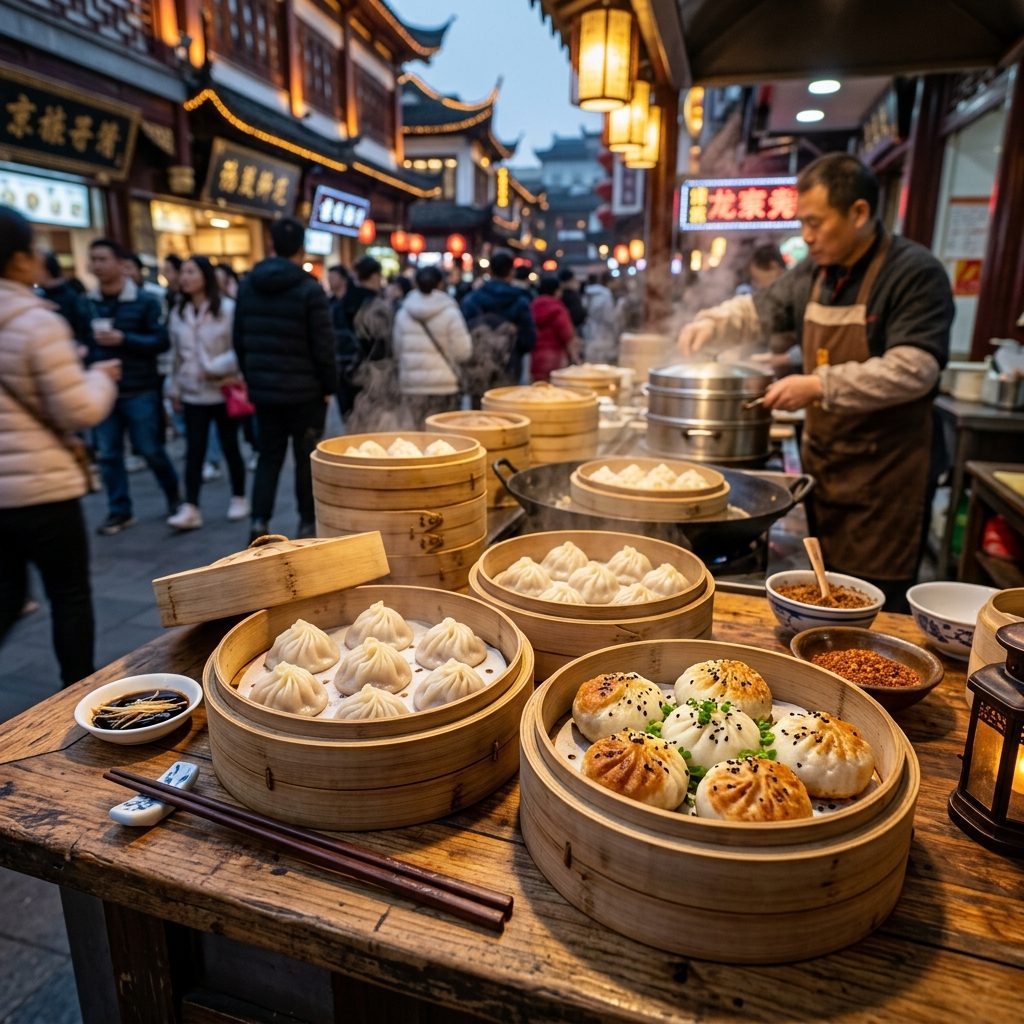
Shanghai is known for benbang cuisine — sugar-and-soy braising, freshwater river produce, and wheat-flour dumplings — with xiaolongbao and shengjianbao as its export ambassadors. Street-level eating costs nothing to access: entrance is 0 CNY, and food items are purchased individually from various vendors. Arrive between 11:00–19:00, which avoids peak lunch and dinner crowds while ensuring all food stalls are fully operational.
Shanghai cooks with sugar. Not as a dessert flourish, but structurally — rock sugar dissolved into soy braises until the sauce turns lacquer-dark and clings to the chopstick. Chefs call this technique nongyou chijiang, roughly "thick oil, red sauce," and it is the single fact that explains what food is shanghai known for more than any list of dishes could. The city sits on the Yangtze delta, ringed by canals and lakes, so freshwater ingredients — hairy crab, river shrimp, eel, yellow croaker — form the protein backbone rather than the lamb and beef of the north. The cuisine has a name: benbang cai, meaning local-style. It absorbed Ningbo salt-cured technique, Suzhou sweetness, and Wuxi caramel-braising, then flattened them into something recognisably its own during the treaty-port decades when migrants from across Jiangnan crowded into the alleyways. Traditional Shanghai dishes therefore carry regional fingerprints. A visitor asking about Shanghai street food will be pointed toward wheat-based snacks — pan-fried, steamed, folded — because the delta grows rice but the city adopted northern flour culture through migration. Understanding this layering matters more than memorising names: it tells a traveller why one shop's version tastes sweeter than the shop three doors down, and why locals argue about it. Geography still shapes the eating map. The old lanes of Huangpu and the lilong courtyards of Jing'an hold breakfast operations that open before dawn and shut by mid-morning. The former French Concession runs later and leans modern. Pudong is newer and less rewarding for wandering. Because vendors trade independently rather than under one roof, opening rhythms vary building to building, and a shuttered shutter at 10:00 means nothing about 14:00. What should a reader do with this? Treat the city as a sequence of small purchases, not one meal. Order in twos, share, keep moving, and accept that the best-regarded counters have no English signage and no seating. Bring small notes and a translation app. Any credible answer to what food is shanghai known for ends in the same place: with a queue of office workers outside an unmarked doorway, waiting for something that costs less than a coffee. Guided walks exist for travellers who would rather not decode the queue system alone, and they cover ground a first-timer would take three days to find independently.
“Thick oil, red sauce — the technique that explains Shanghai's kitchen better than any list of dishes.”
Signature Dishes: What Food Is Shanghai Known For
Shanghai cuisine, known as Benbang, is defined by its use of soy sauce, sugar, and slow-cooking techniques that highlight the natural flavors of high-quality ingredients. These signature dishes represent the foundational flavors of the city's culinary identity.
Xiaolongbao
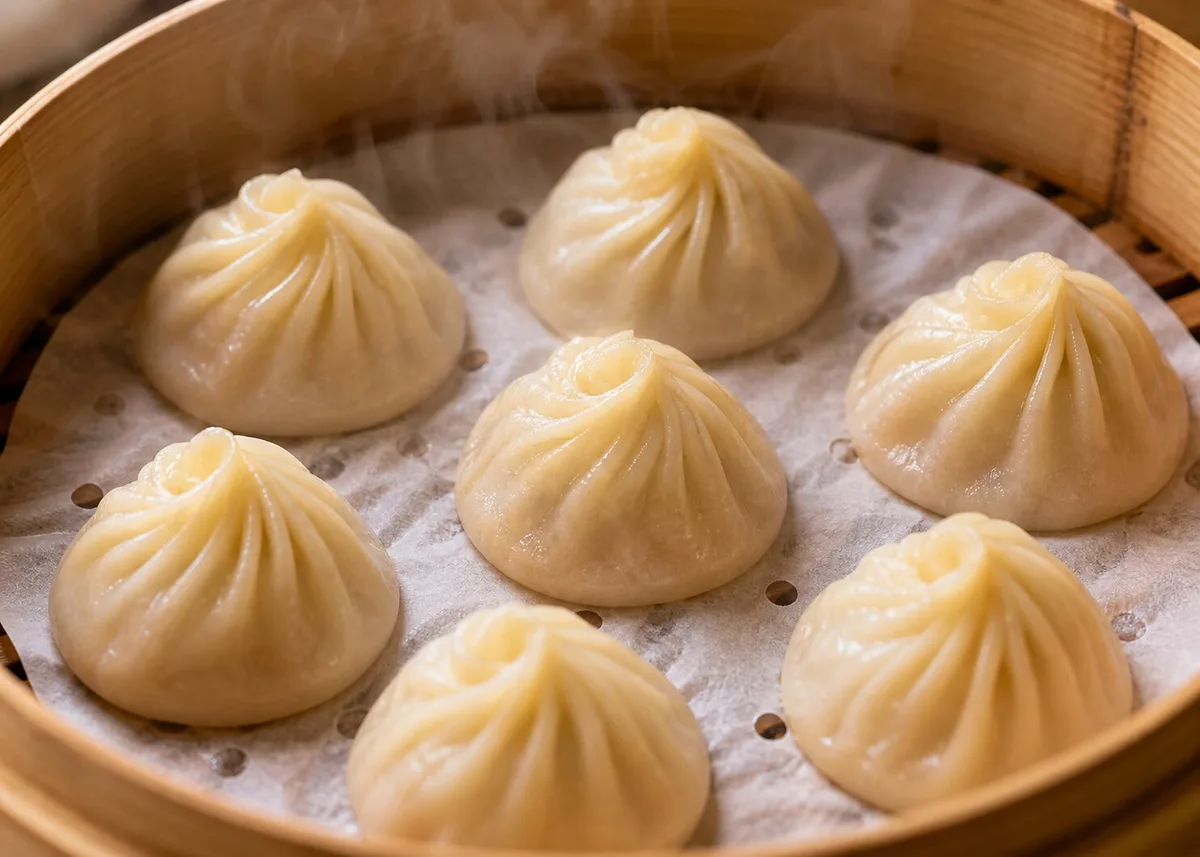
These delicate soup dumplings are filled with seasoned pork and a savory, gelatinized broth that melts upon steaming. They are served in traditional bamboo baskets and require care when eating to retain the hot soup inside.
Nibble a small hole to sip the soup before consuming whole.
Red Braised Pork
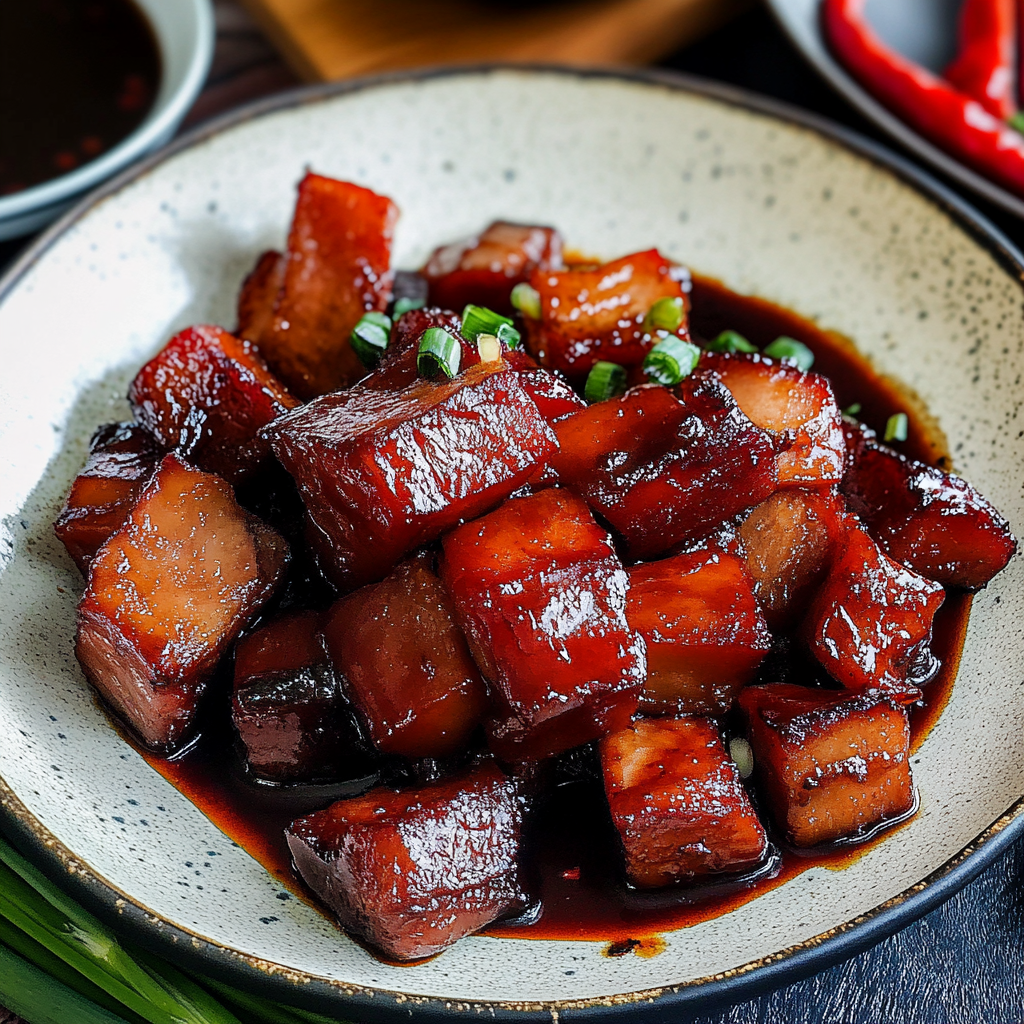
Hong Shao Rou is a classic dish featuring pork belly slow-braised in a dark, glossy mixture of soy sauce, sugar, and aromatics. The result is tender meat with a melt-in-the-mouth texture and a rich, balanced flavor.
Enjoy with a side of steamed white rice to absorb sauce.
Hairy Crab
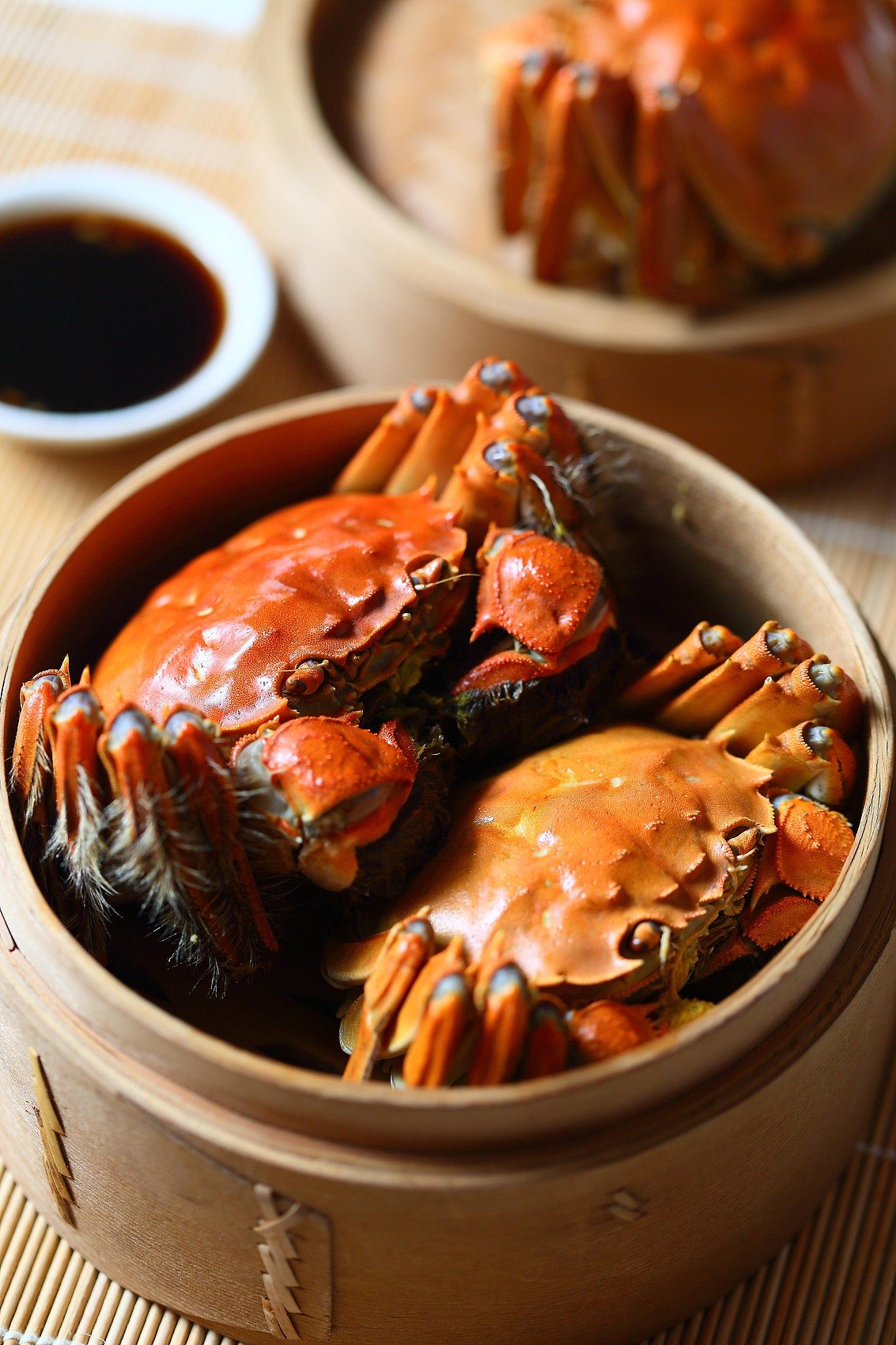
This seasonal delicacy, prized for its roe and sweet meat, is typically steamed with ginger and vinegar to enhance its natural taste. It is an iconic specialty consumed primarily during the autumn months.
Use provided tools to extract meat from the crab legs.
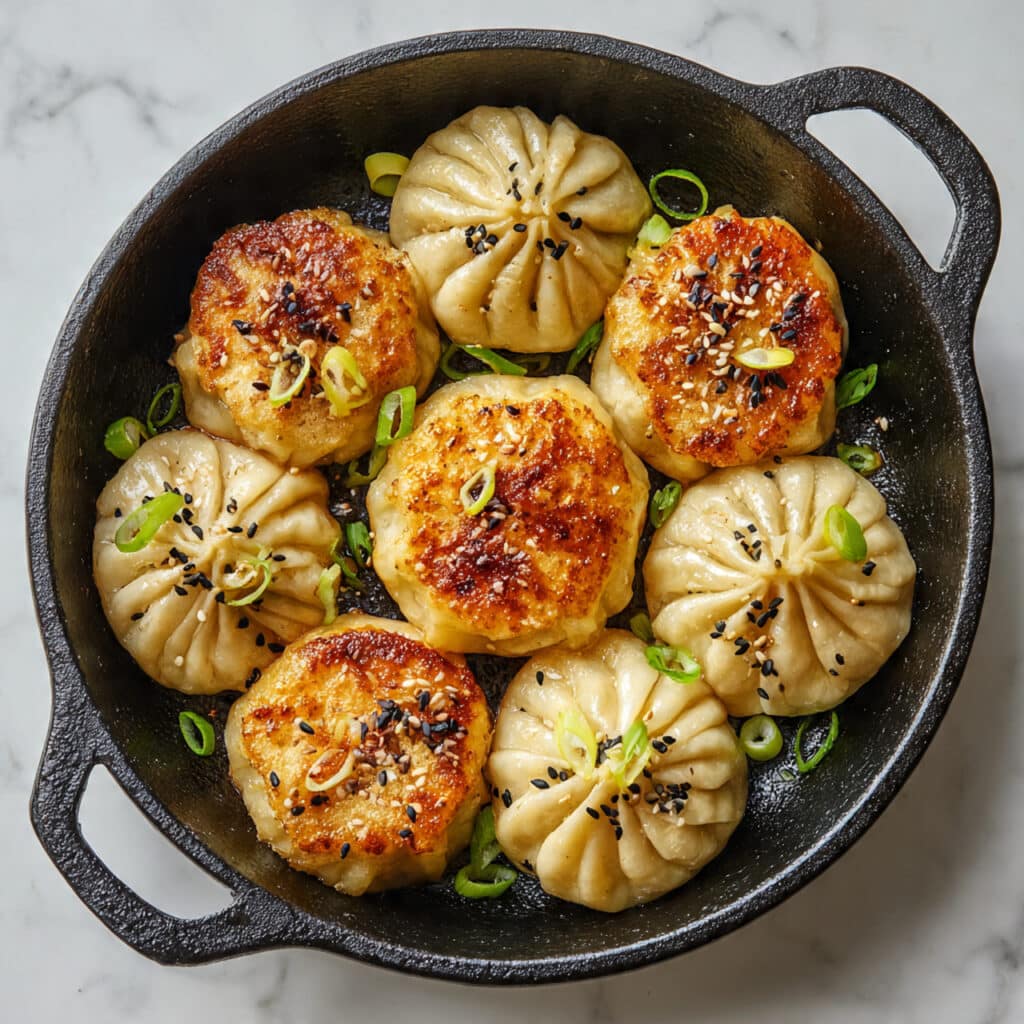
Shengjianbao
These pan-fried pork buns feature a crispy, golden-brown bottom and a soft, fluffy top sprinkled with sesame seeds and scallions. They provide a distinct texture contrast compared to steamed varieties.
Wait a moment for the bun to cool before biting.
Where to Experience What Food Is Shanghai Known For
Shanghai offers a spectrum of dining options ranging from established culinary institutions to accessible street-side hubs. Visitors can navigate these local venues to find authentic preparations of regional specialties.
Nanxiang Steamed Bun Restaurant
€€restaurant
Located in the heart of Yu Garden, this venue is a center for traditional xiaolongbao. It serves as a primary stop for those exploring central city flavors.
Wujiang Road Food Street
€street
This thoroughfare near the West Nanjing Road station features a high concentration of stalls and small shops. It provides a straightforward way to sample various snacks without formal restaurant seating.
Old West Gate Area
€market
Situated in the historic core, this zone contains numerous family-run eateries known for local breakfast staples. It serves as an alternative to tourist-heavy corridors for traditional dining.
Fangbang Middle Road
€street
Running through the old city, this area hosts street vendors specializing in localized snacks. It is a practical location for observing and tasting daily food culture away from major commercial centers.
Optimal Timing for What Food Is Shanghai Known For
The most favorable time to explore Shanghai’s culinary landscape is during the spring or autumn months. For daily logistics, the best arrival window is 11:00–19:00 to balance vendor activity with manageable crowd levels.
Spring (March–May)
Moderate crowdsMild temperatures, 12°C to 23°C
The comfortable climate makes outdoor street food exploration pleasant before the summer heat arrives.
Autumn (October–November)
Moderate crowdsCool, dry air, 13°C to 22°C
Clear weather and comfortable temperatures provide the most consistent conditions for walking between food stalls.
Weekday Mornings
Low crowds—
Arriving during the 11:00 window helps avoid the peak lunch rush and ensures all food stalls are fully operational.
Verdict: For the best experience, plan your visit for Tuesday to Thursday between 11:00 and 19:00 during the months of April or October.
Availability of What Food Is Shanghai Known For
The culinary scene in Shanghai remains accessible throughout the week, with vendors operating continuously to provide local specialties.
| Monday | 00:00–23:59 | |
|---|---|---|
| Tuesday | 00:00–23:59 | |
| Wednesday | 00:00–23:59 | |
| Thursday | 00:00–23:59 | |
| Friday | 00:00–23:59 | |
| Saturday | 00:00–23:59 | |
| Sunday | 00:00–23:59 |
Check availability
Frequently asked questions about what food is shanghai known for
Everything you need to know about what food is shanghai known for