3 hr
Shanghai Street Food & Restaurant Discovery
- Entry ticket
- Mobile voucher
- Valid same day
- Free cancellation
Shanghai Food Tour — Guided Tasting Walks & Night Market Routes
Steam rises off the wok, the lane answers back.
Compare fares, pick the fit — all bookings are mobile-voucher and eligible for free cancellation where shown.
3 hr
3 hr 30 min
3 hr
| Experience | Duration | Rating | Guide | Small group | Free cancel. | Price | |
|---|---|---|---|---|---|---|---|
|
Standard Entry
Most popular
Shanghai Street Food & Restaurant Discovery
|
3 hr | ★ 4.9 | ✓ | ✓ | ✓ | $75 | Book → |
|
Standard Entry
Shanghai Evening Food Walk in French Concession
|
3 hr 30 min | ★ 4.9 | ✓ | ✓ | ✓ | €60 | Book → |
|
Standard Entry
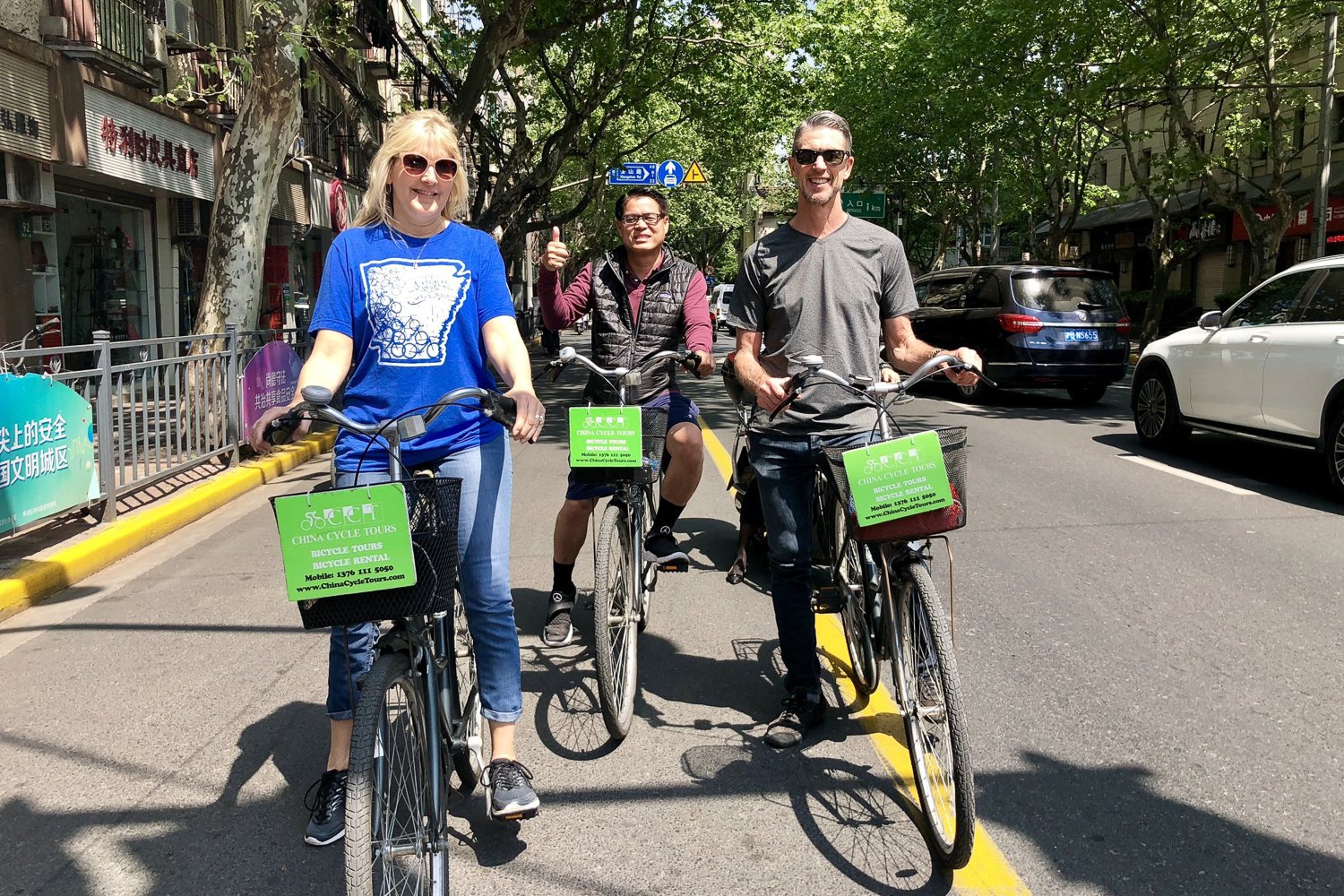
Half-Day Shanghai Cycling & Street Food Adventure
|
3 hr | ★ 4.8 | ✓ | ✓ | ✓ | $87 | Book → |
Worth it for non-Mandarin speakers; skippable for repeat visitors
A shanghai food tour has no gate fee — the canonical entrance cost is 0 CNY, because these are independent guided services rather than a ticketed attraction. What you actually buy is translation and access. Menus at a shengjian bao counter in Huanghe Road or a wet-market noodle stall rarely carry English, and payment runs through WeChat Pay or Alipay, which trips up visitors without a linked mainland bank card. A guide orders, explains the xiaolongbao broth, and steers you past the tourist-priced imitations near Yuyuan. Between 10:00 and 20:00, when street food markets and restaurants hit peak service, that access matters most. Shanghai food tour tickets pay off for first-timers, solo travellers wary of hygiene, and anyone with allergies who cannot read a label. If you speak Mandarin, have visited before, or enjoy pointing at what the next table ordered, the value thins fast — self-guided eating through the former French Concession costs you only the food itself.
Bottom line: Book a Shanghai street food tour if the language and payment barriers would otherwise keep you eating in hotel restaurants; otherwise walk the lanes yourself and spend the difference on more dumplings.
They complement each other; most visitors who do both call the independent shanghai food tour option more immersive for deep culinary history, while Lost Plate offers a more social, high-energy atmosphere.
|
Top pick Untour Shanghai |
Lost Plate | |
|---|---|---|
| Primary Focus | Local culinary culture and history | |
| Transportation Style | Walking and public transit | |
| Group Size | Small groups up to 8 | |
| Neighborhood Coverage | Traditional residential lanes and markets | |
| Authenticity Level | High focus on heritage dishes | |
| Tuk-tuk usage | None used | Private tuk-tuk included |
| See tickets & prices |
Verdict: Choose this Shanghai culinary excursion if you prefer walking through hidden alleys, or select the rival if you want a motorized shanghai food tour tour that provides shanghai food tour tickets for a fast-paced group adventure.
Hand-picked experiences loved by thousands of travelers
3 hours
Free Cancellation
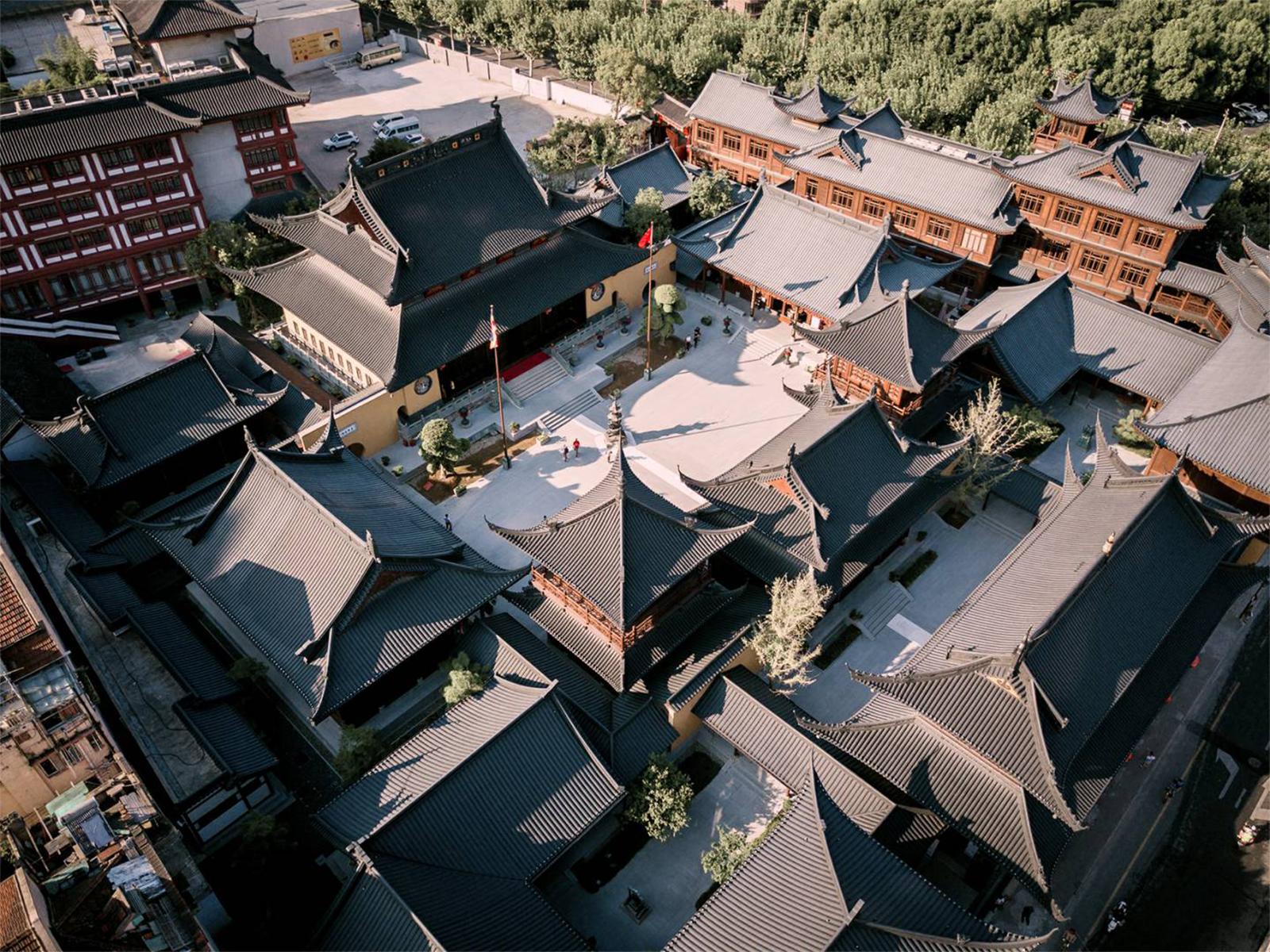
Discover sacred Buddhist architecture with an expert guide, then dive into authentic local cuisine
3 hours
Free Cancellation
Savor real Shanghai flavors on a 3-hour culinary journey through historic lanes and local eateries
3 hours
Free Cancellation
Discover authentic Shanghai flavors on a guided evening stroll through historic neighborhoods
3.5 hours
Free Cancellation
Discover Shanghai's culinary soul on a guided evening walk through authentic local food districts
4 hours
Free Cancellation
Explore iconic landmarks while uncovering the real stories behind Shanghai's transformation and daily life
2.5 hours
Free Cancellation
Explore authentic local markets, sample 8 traditional dishes, and discover historic neighborhoods
3 hours
Free Cancellation
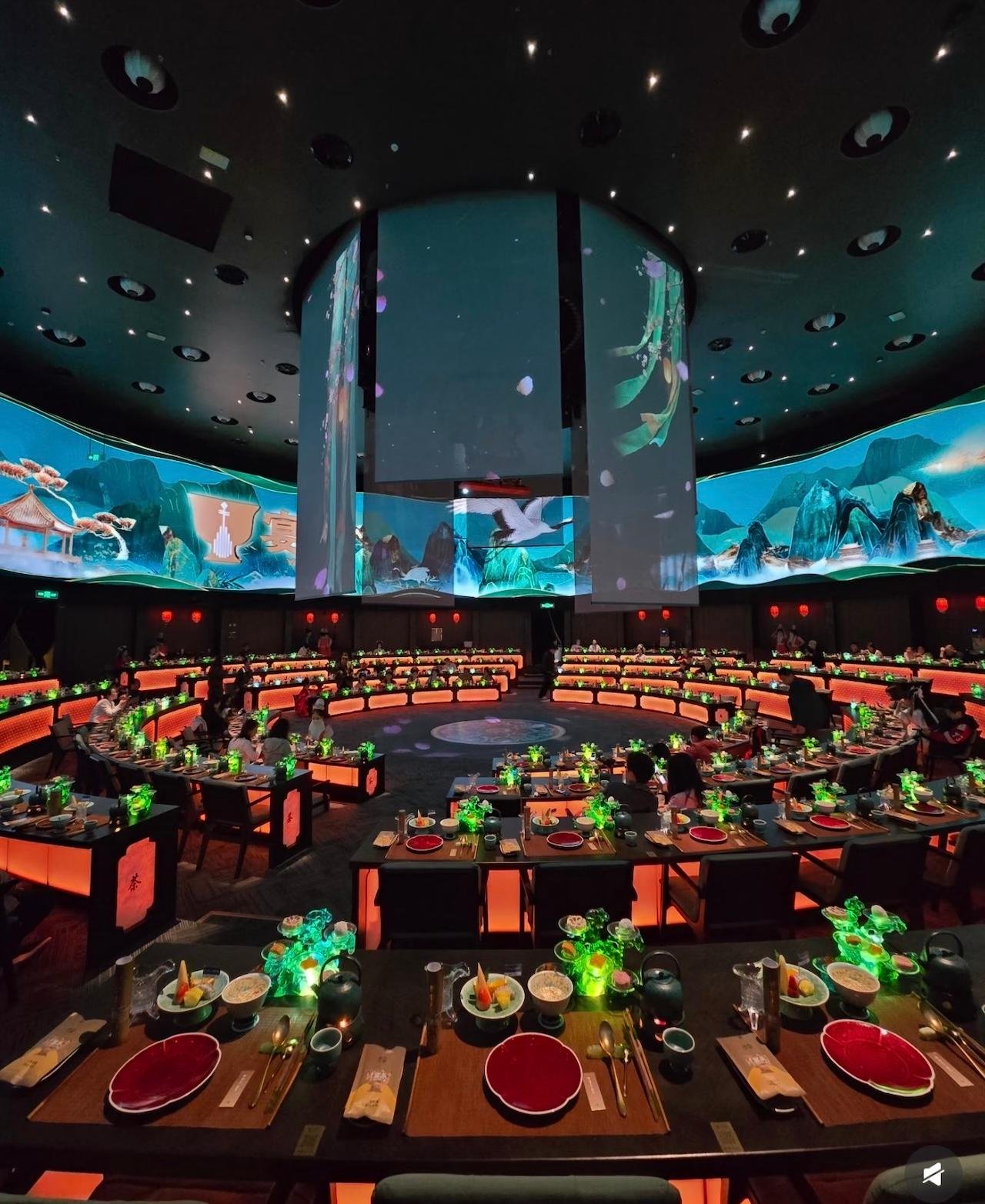
Combine a multi-course banquet with spectacular live performance featuring aerial acrobatics and holograms
4 hours
Free Cancellation
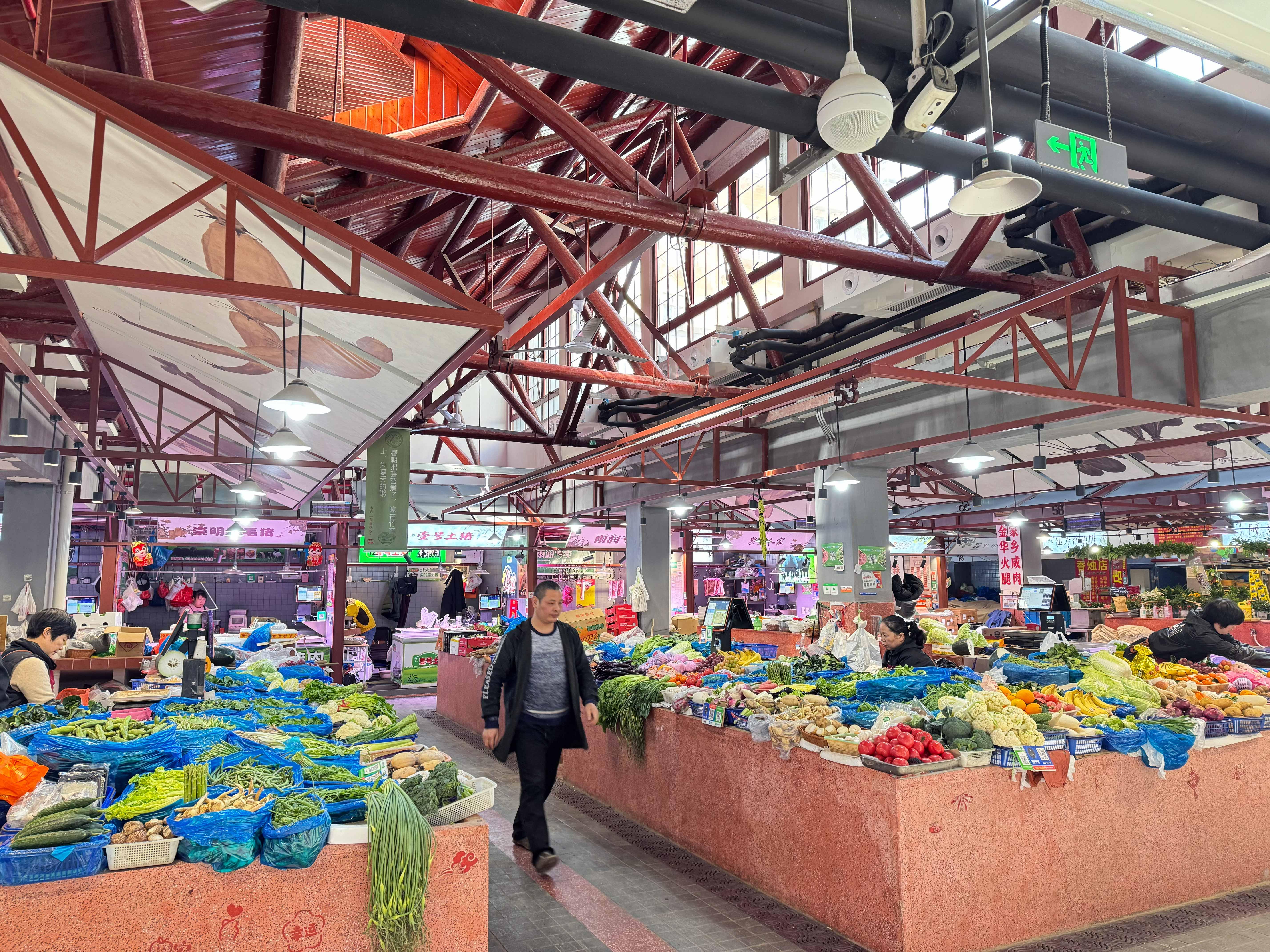
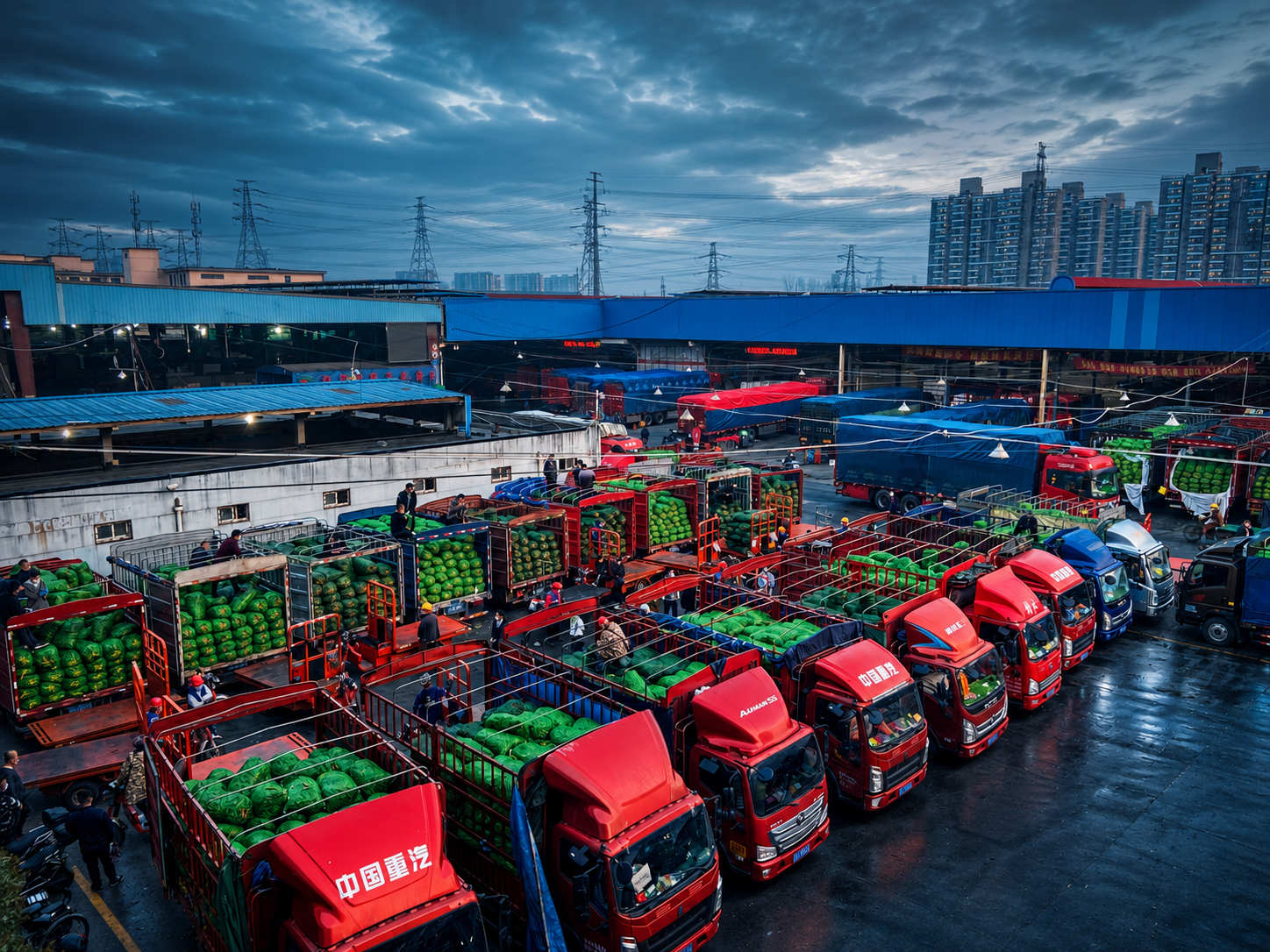
Explore Shanghai's massive working food market where restaurants and vendors buy fresh ingredients daily
Meet your guide at the designated location
Sample traditional breakfast items like jianbing
Explore historic alleyways and architecture
Enjoy dinner specialties at a local eatery
You start mid-morning, ideally inside the 10:00–20:00 arrival window, when the breakfast stoves are still warm and the lunch counters have not yet filled.
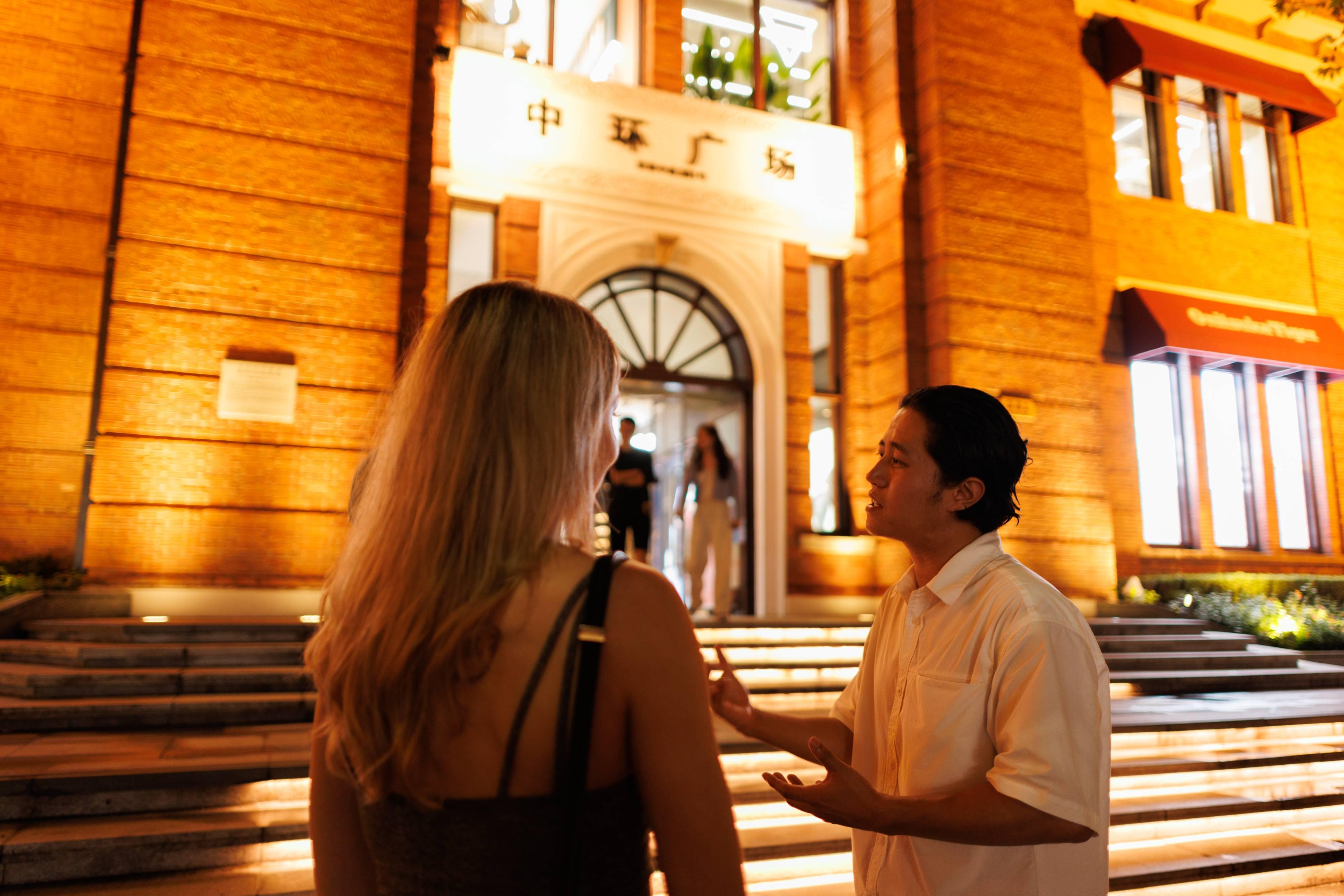
Your guide meets you at a metro exit rather than a landmark — Line 10 at Yuyuan Garden, or Line 2 at Nanjing East Road — and walks you 200 metres into a lane you would not have entered alone.
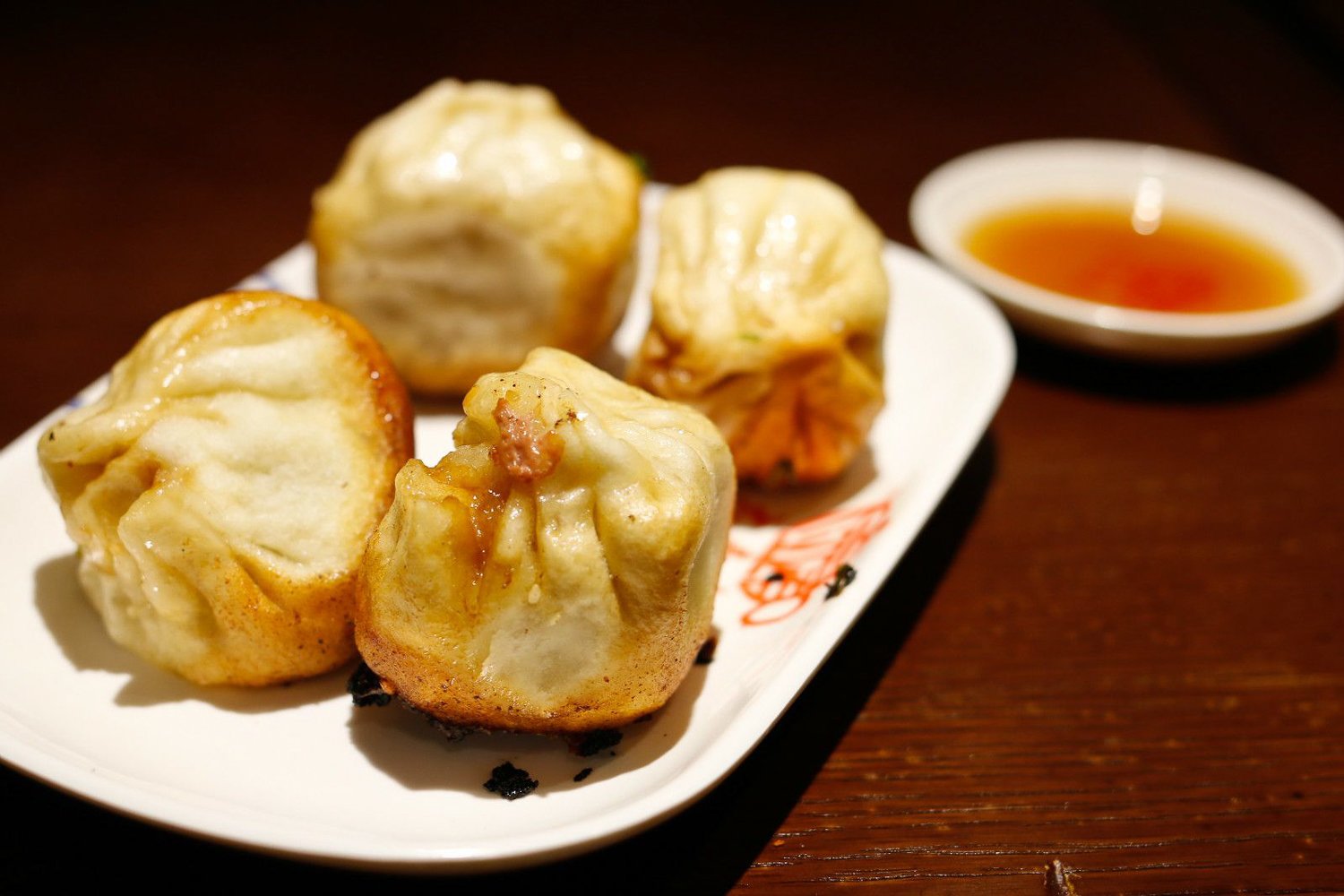
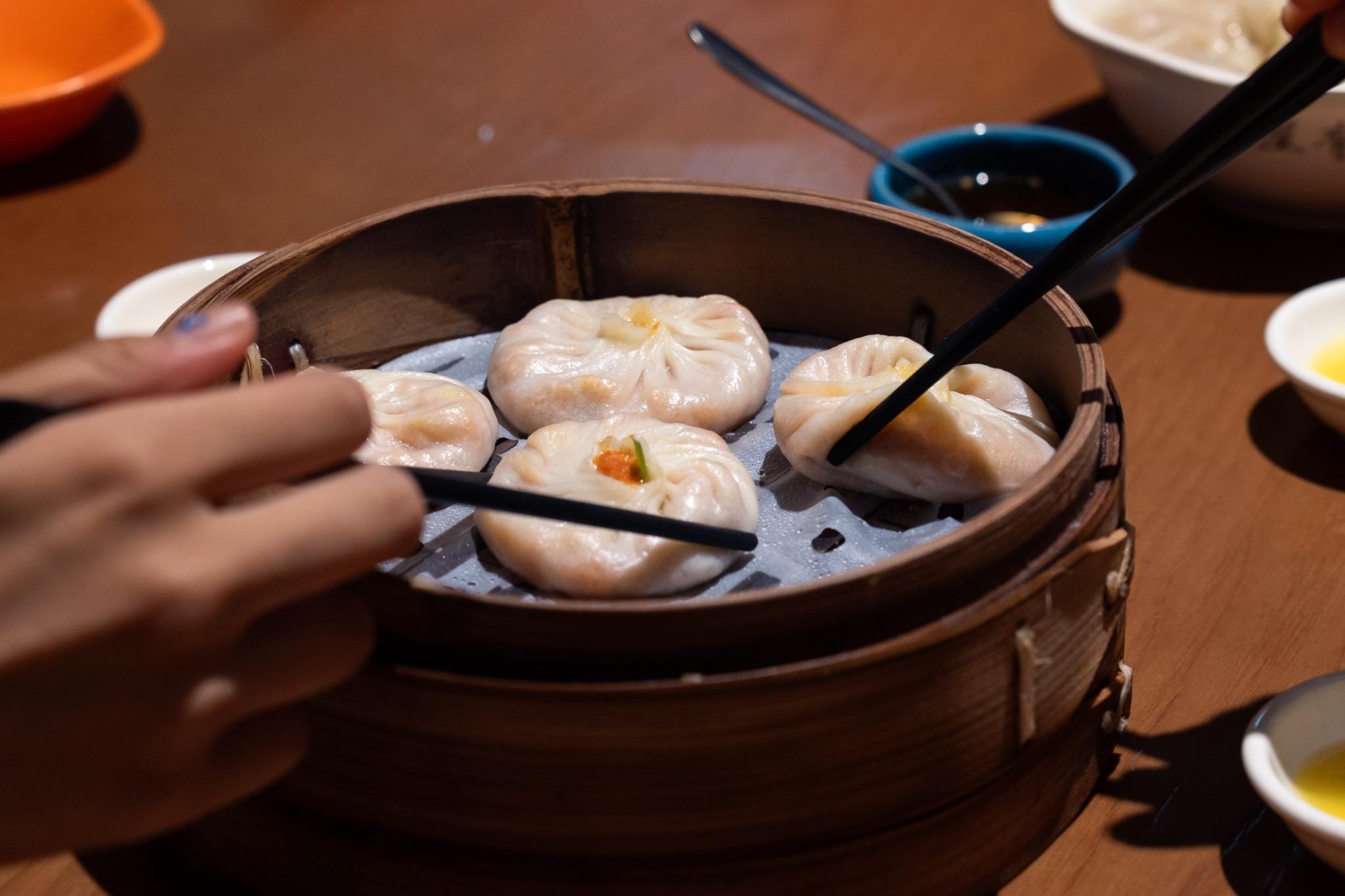
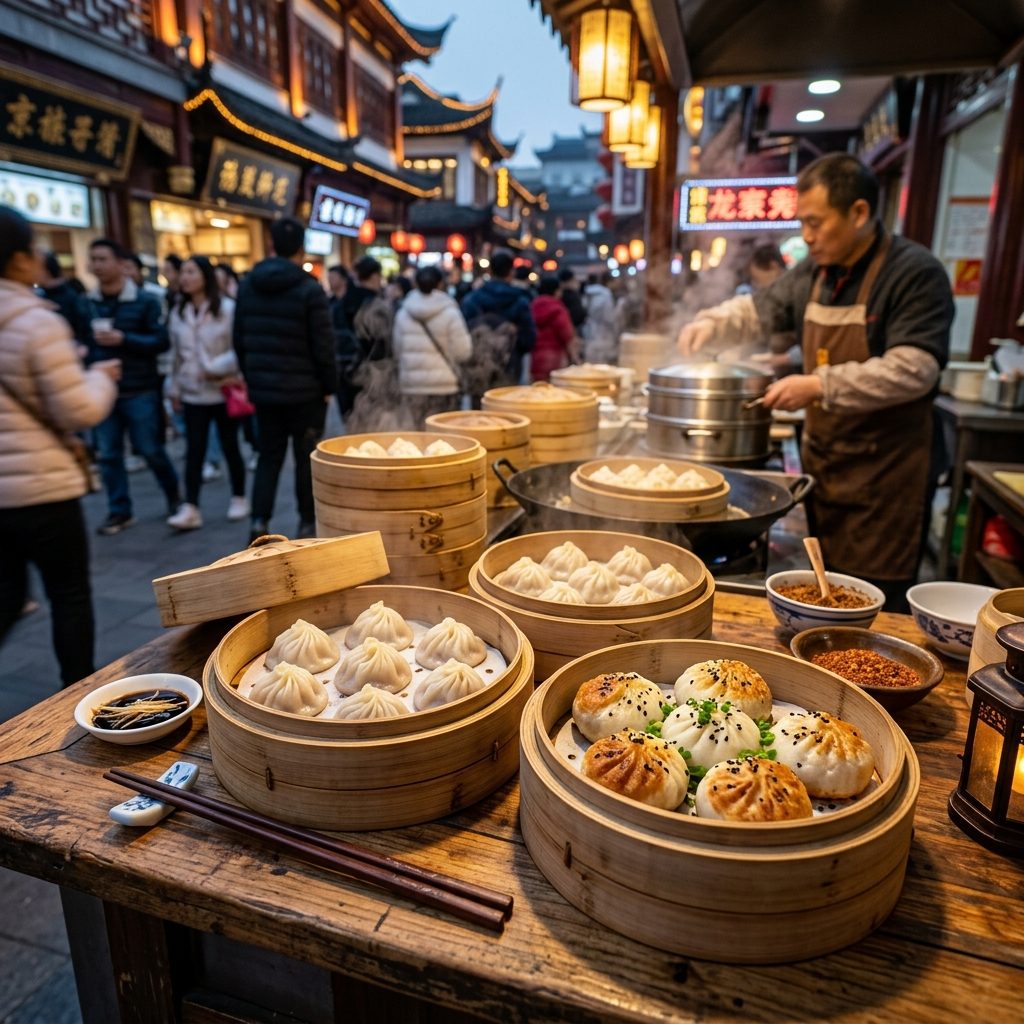
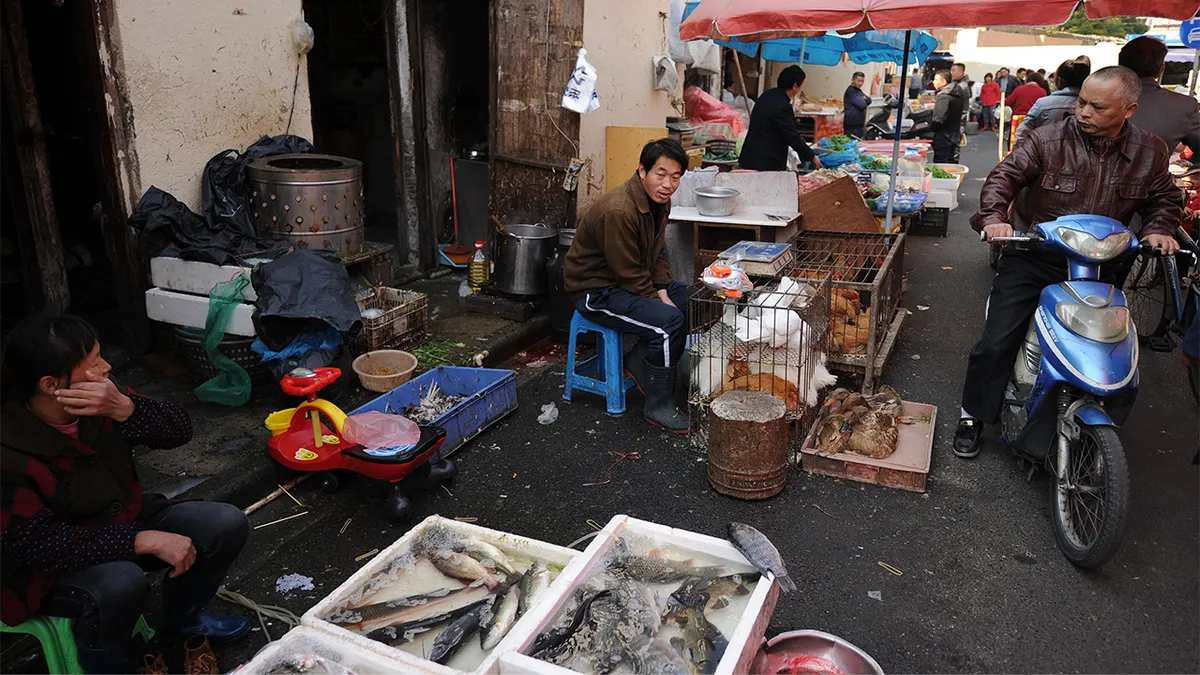
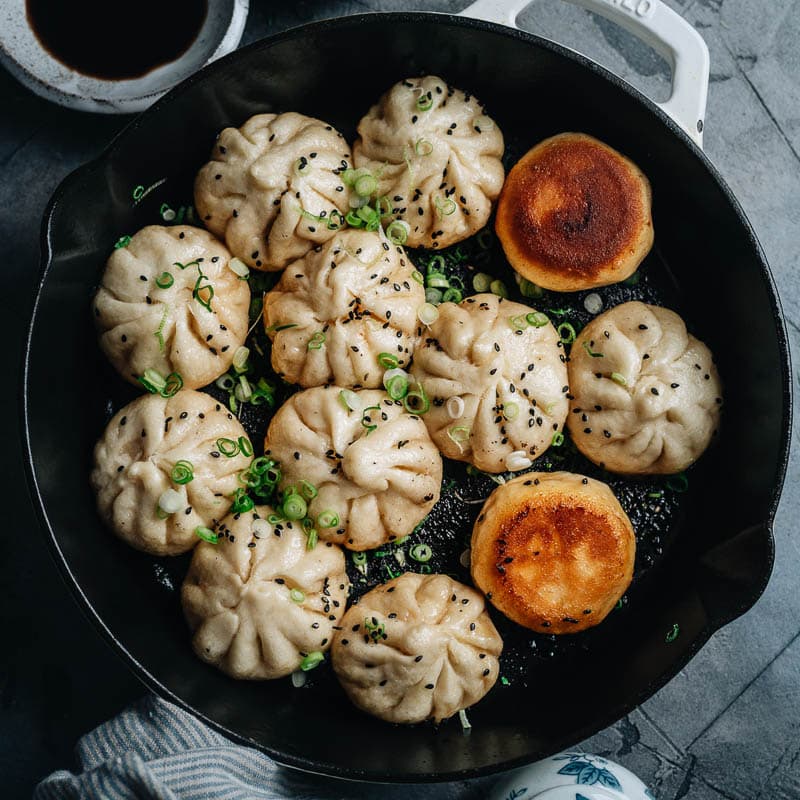
The first stop is usually shengjianbao. You watch the cook lift the iron lid off a pan the width of a bicycle wheel, releasing a cloud that smells of sesame and scorched flour. You are told to bite a corner first. Most people ignore this once.
From there the route moves in short legs. You cross a wet market and stop at a stall selling only cong you ban mian — scallion oil noodles, four ingredients, thirty seconds to assemble. You queue eight minutes for a cifantuan wrapped in a cloth by a woman who has done it for two decades. A well-planned shanghai food tour itinerary keeps stops under six so nothing is rushed.
By late afternoon you are somewhere quieter — a second-floor tea house, or a courtyard behind a shikumen gate. You compare notes, count what you ate, and find it was eleven things. Any good shanghai food tour tour ends before you are full, on purpose, so the city still has something left to offer you at dinner.
All the details about your upcoming adventure in one place
A shanghai food tour moves through longtang alleyways and wet markets where families still queue at dawn for sheng jian bao, xiao long bao and freshly fried you tiao. Guides trace how Benbang cuisine, Ningbo seafood traditions and Cantonese influence shaped the city's street food, with stops for scallion oil noodles and hairy crab in season. Most shanghai food tour tickets include eight to twelve tastings, so guests arrive hungry and leave without needing dinner.
Shanghai's most famous dumpling is not from Shanghai. Xiaolongbao were first steamed in Nanxiang, a market town northwest of the old walled city, sometime around 1871, and reached the urban lanes only after the railway did.
That pattern — arrival, adaptation, absorption — describes the whole cuisine. The city was a treaty port from 1843, and its kitchens took what the ships and the migrants brought. Ningbo cooks contributed salted fish and rice cakes. Suzhou and Wuxi supplied the sugar that gives benbang cai, the local home-style school, its distinctive sweetness. Cantonese merchants opened the first modern restaurants along Nanjing Road. Russian émigrés in the 1920s left behind luo song tang, a borscht rendered in tomato paste and beef shin, still sold today in Huaihai Road canteens. Any serious shanghai food tour is therefore less a survey of dishes than a reading of migration.
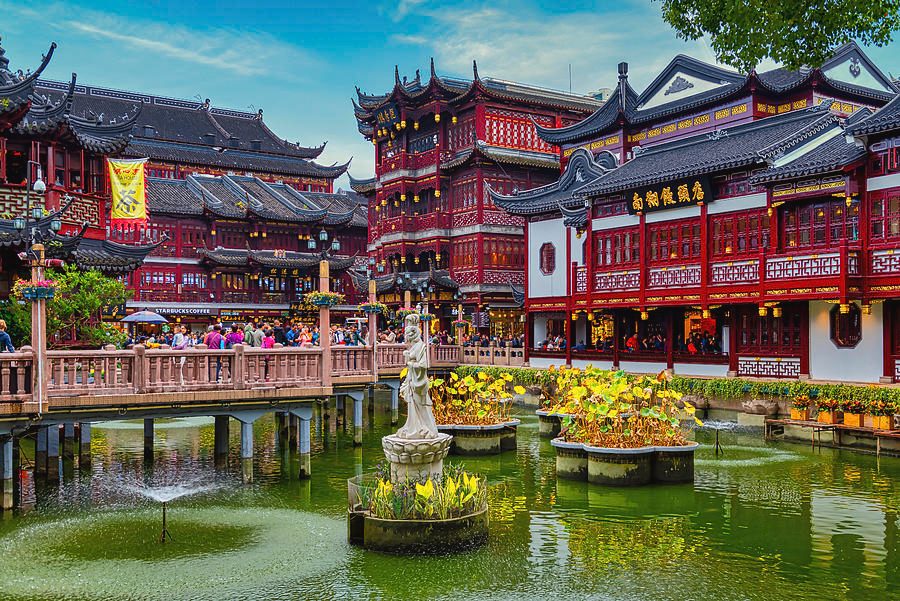
The physical stage for this is the lilong — the shikumen alleyway housing built by the tens of thousands between 1870 and 1940. Stone gate frames, shared kitchens, a coal stove pushed into the lane at dawn. Breakfast in these lanes still runs on the si da jin gang, the "four warriors": youtiao, dabing, cifantuan, and doujiang. Huanghe Road, Sipailou Road near Yuyuan Garden, and the surviving wet markets of Hongkou remain the working evidence. Wujiang Road, once a shengjianbao stronghold, has largely been rebuilt — a reminder that this larder is not fixed.
Operators have professionalised around that fragility. UnTour began running lane-level breakfast walks in 2010; Lost Plate built its reputation on tuk-tuk routes between family-run counters. Both are debated at length on Reddit's r/shanghai, where the recurring advice is to prioritise a small-group shanghai food tour guide over a fixed restaurant list. Independent itinerary-builders publish their own routes; the better ones sequence four to six stops rather than ten, allowing time between courses.
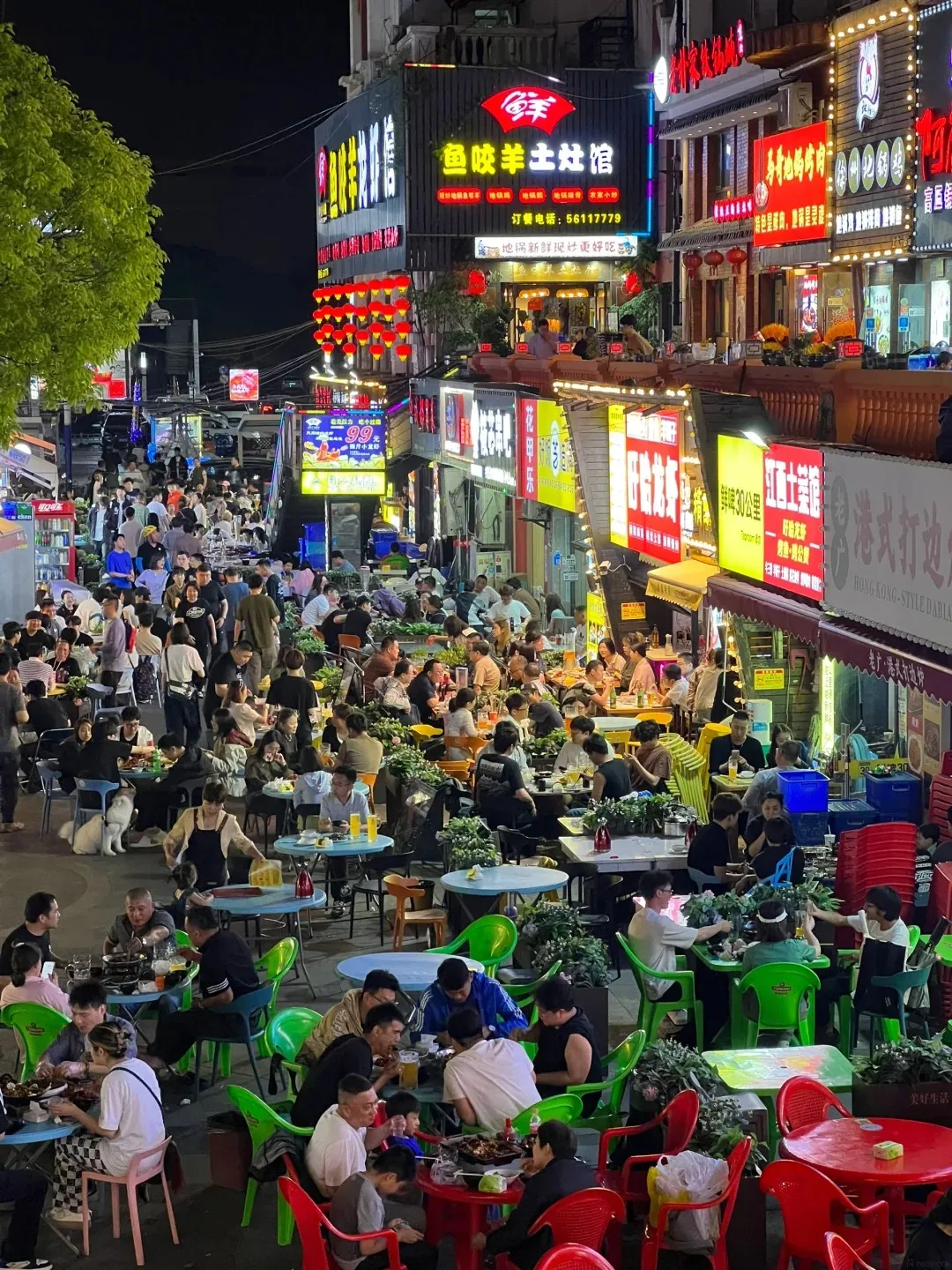
What makes the city worth this attention is density. Shanghai holds roughly 100,000 registered food and beverage businesses, from Michelin-starred dining rooms to eight-seat noodle shops that close when the broth runs out. Shanghai food tour tickets are consequently sold by dozens of independent operators rather than a single authority, which is why no gate fee attaches to the experience itself: entrance is 0 CNY, and payment covers guiding and tastings alone. The lanes are open at every hour the city is awake.

Any serious tasting walk through Shanghai is less a survey of dishes than a reading of migration.
Casual and comfortable clothing is recommended for your Shanghai food tour. Wear walking shoes suitable for exploring local neighborhoods.
Keep personal belongings minimal during a Shanghai food tour. Small crossbody bags are preferred for safety in crowded markets.
Photography is generally permitted at local stalls and markets during a Shanghai food tour. Always ask vendors for permission before taking close-up photos of staff or food preparation areas.
Families are welcome on a Shanghai food tour, though children should be able to walk between vendors. Check if the specific tour route includes high-spice options before booking.
Navigating older districts on a Shanghai food tour may involve uneven pavement and narrow alleys. Inform your operator of mobility requirements prior to booking.
The primary focus of every Shanghai food tour is the tasting of local cuisine. Do not bring outside food, as all refreshments are provided as part of the scheduled stops.
Operating Hours
00:00–23:59
Address
Various locations throughout Shanghai, China
Physical Access
Varies by route and establishment
Peak Arrival
10:00–20:00
Service Type
Independent food experience
Public transport · 45 min · 5–10 CNY
Use Shanghai Metro Line 1, 2, or 8 to reach central hubs.
Taxi · 30 min · 30–60 CNY
Request drop-off at major landmarks for easiest access.
Cancellations made 48 hours prior to a Shanghai food tour generally qualify for a full refund. As food tours are independent services, no single 0 CNY entrance fee applies to the booking.
Recommended time
3-4 hours
A typical shanghai food tour allows participants to explore diverse culinary districts while sampling xiao long bao and other regional delicacies. Most guided Shanghai gastronomic excursions last around four hours, though you might consider extended shanghai food tour tours if you prefer a slower pace through busy markets. Booking your shanghai food tour tickets in advance ensures access to popular evening sessions when street vendors and local eateries reach peak activity.
Crowd levels through the day
Weather · crowds · average price — dots go green to amber to red as each metric rises.
March to May offer mild temperatures for walking through markets.
June to August brings warm weather and vibrant evening street activity.
September to November is ideal for comfortable temperatures.
December to February is cooler, requiring layers during street food tours.
Come prepared to sample a wide variety of local dishes throughout the walk.
You will be walking through uneven street markets and historic lanes.
Use the time to ask about the origins of specific regional ingredients.
Popular food experiences in the city fill up quickly during peak travel months.
Carry a bottle of water while sampling spicy or savory snacks.
Exploring the culinary landscape near a shanghai food tour reveals a dense network of traditional dumpling houses and bustling markets. Visitors will find authentic flavors ranging from steaming baskets of xiaolongbao to savory street-side snacks within walking distance of major landmarks.
Renowned for precision-made crab roe soup dumplings that draw consistent queues, making it a staple for those seeking authentic Shanghainese breakfast flavors.
Located within a short walk of major sightseeing hubs, this spot serves reliable pork buns and noodle dishes in a casual setting perfect for mid-day fuel.
A popular local chain specializing in pan-fried buns with crispy bottoms and juicy fillings, ideal for travelers utilizing shanghai food tour tours to discover quick bites.
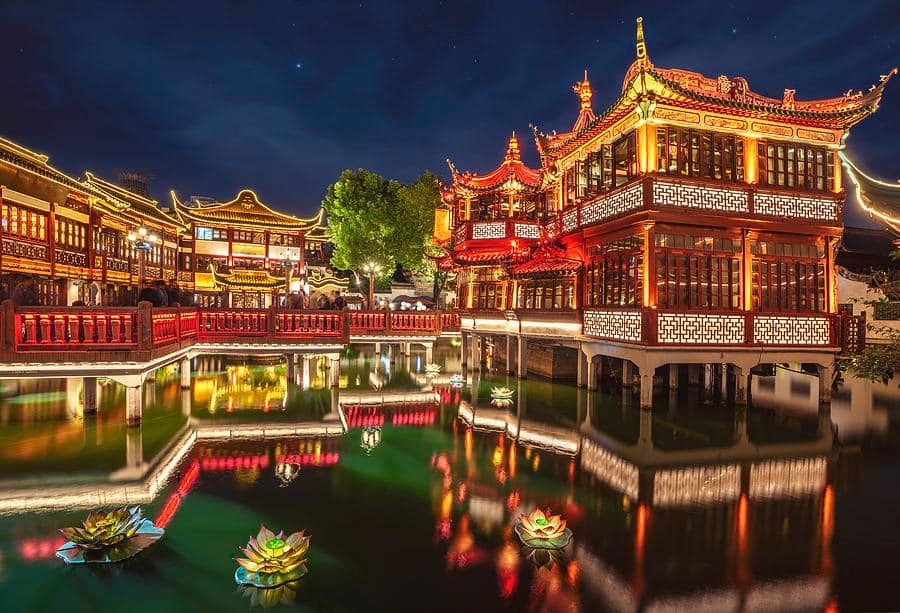
Situated in the heart of Yu Garden, this historic venue offers high-quality dim sum, providing a quintessential experience for guests holding shanghai food tour tickets.
Real experiences from real travelers
We started at eight in the morning when the lanes were still cool and the shengjianbao griddles were just being lidded, which turned out to be the right hour. Our guide explained why the pork broth sets into jelly before it goes into the bun, then made us wait a full minute so nobody burned their mouth. Nine tastings across four blocks and I did not need dinner.
The shanghai food tour took us through a wet market I would never have entered alone, past tanks of river shrimp and a woman shelling ginkgo nuts by hand. Everything was explained in clear English without turning into a lecture. My favourite was the scallion oil noodles from a shop with four stools and no sign in English.
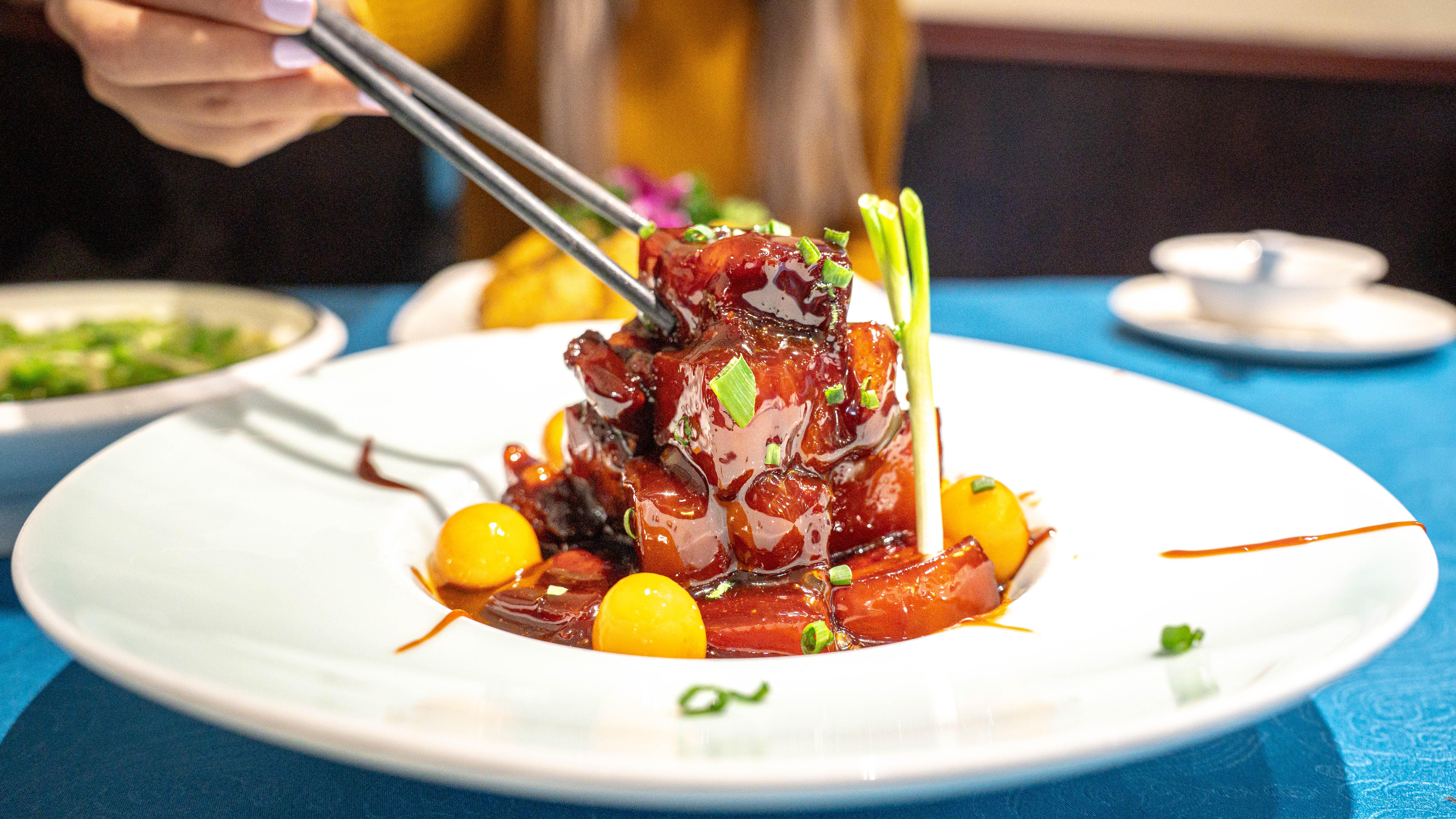
Late May in Shanghai is sticky and we were all sweating by the second stop, though most tastings were indoors with fans going. The red-braised pork was darker and sweeter than the version I know from home, and the guide brought us to a rooftop lane where you can see the Pudong towers over the tiled roofs. Small group of seven, so we could actually talk to the vendors.
A well-run 上海美食之旅 with genuinely local stops rather than tourist streets, and our guide knew every shopkeeper by name. The only issue was the last two tastings felt hurried because a market stall ran out of what we came for. Still, the drunken chicken and the sesame flatbread were things I would not have ordered on my own.
It drizzled the whole way but the lanes under the plane trees stayed mostly dry and nobody minded. Our guide handed out umbrellas at the start and kept the pace slow enough for photos. The soup dumplings at the third stop, eaten standing at a counter with vinegar and ginger, were the best thing I ate in China.
I flagged no meat when I booked and they arranged separate tastings at every stop, including a tofu skin dish and a mushroom noodle bowl that the omnivores kept stealing. Shanghai landmarks came in as background rather than the point, which suited me. Book the shanghai food tour tickets a few days ahead because the small groups fill up.
We did the night version and the temperature dropped hard after sunset, so bring a proper jacket in January. Everything from the wonton soup to the grilled lamb skewers arrived steaming, and the alleys were quieter than the daytime routes I had read about. Our guide grew up two streets from the second stop and told us how the neighbourhood changed.
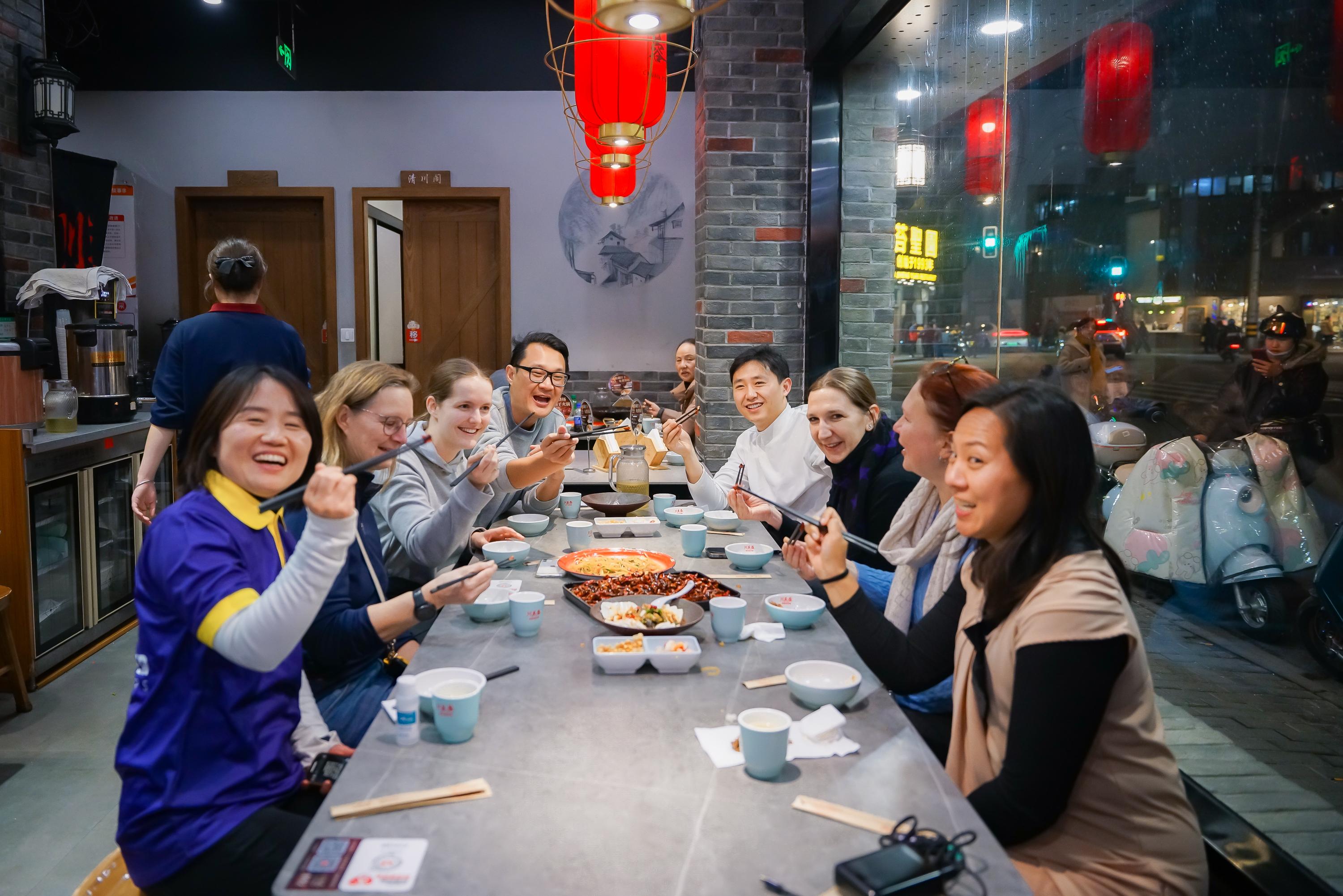
Nothing on this Shanghai street food tour felt staged for visitors, which is rare. We ate in a canteen with plastic stools, a bakery where the egg tarts came out of the oven while we stood there, and a tea shop where the owner poured four rounds and talked about water temperature. Comfortable shoes matter more than anything else, we covered about three kilometres.
The heat in early September is serious and the walking between stops is exposed in places, so I would pick a morning slot over an afternoon one. That said the food kept coming and the portions were generous enough that two of us shared some tastings. Comparable shanghai food tour tours I looked at had twice the group size.
Beyond eating, the practical part was learning to read a handwritten menu board and point confidently, which I used for the rest of the week. Our guide on the shanghai food tour tour wrote down five dish names in Chinese characters for us to keep. Between the market smells, the frying oil and the wet stone lanes, it is the part of the trip I remember most clearly.
Everything you need to know for your journey
A Shanghai food tour is available 24/7, though the best arrival window is 10:00–20:00 to experience peak service.
Accessibility varies by route, so please verify specific paths before booking a Shanghai food tour.
Yes, photography is permitted on most Shanghai food tour itineraries, provided you respect vendor privacy.
The best arrival window for a Shanghai food tour is 10:00–20:00, especially during pleasant spring or autumn months.
Yes, families are welcome on a Shanghai food tour, but please check the route for suitability.
Bring comfortable shoes and a charged phone for your Shanghai food tour experience.
There is no formal dress code, but wear comfortable clothing for a Shanghai food tour.
Cancellations for a Shanghai food tour must be requested within the specific operator policy window.
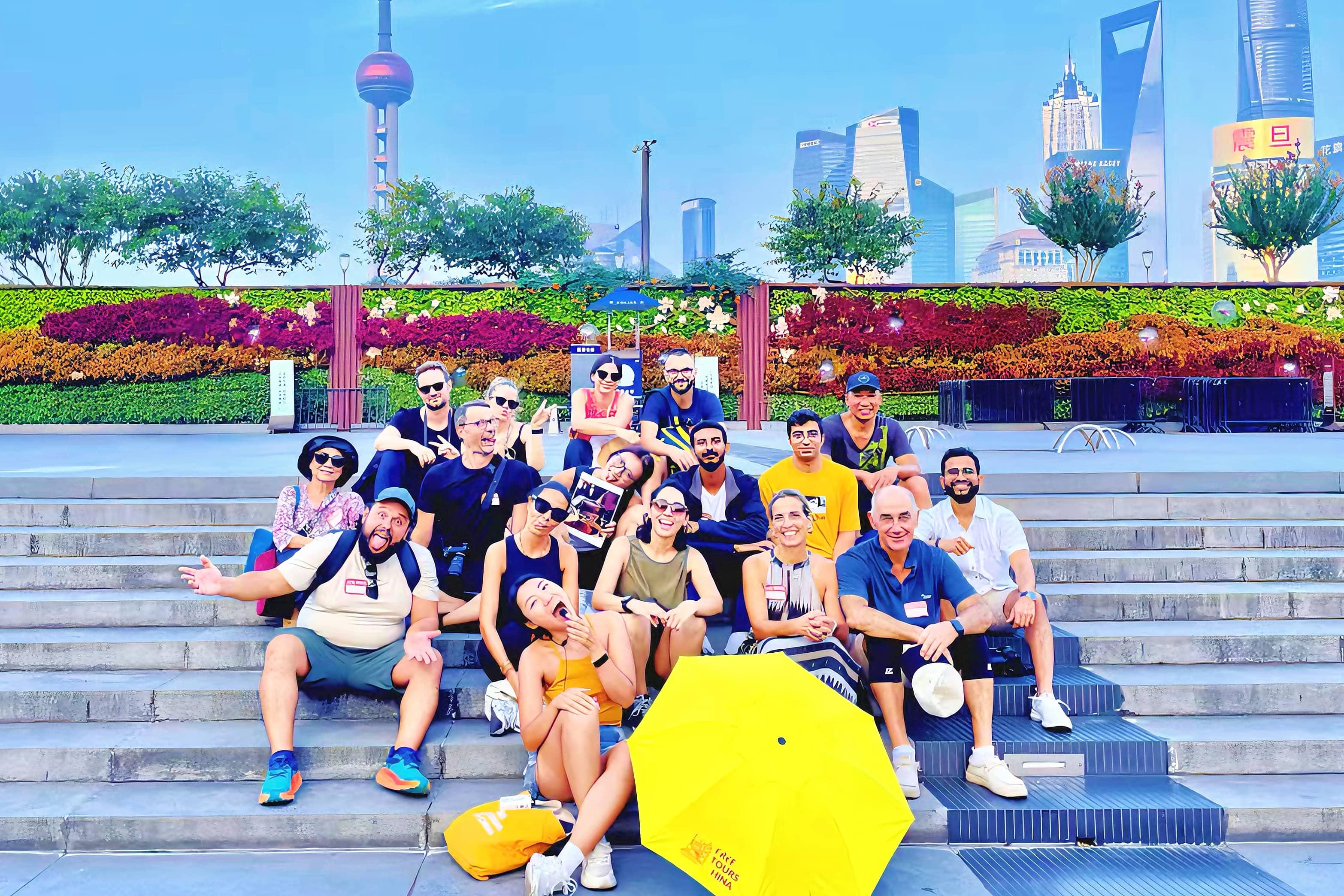
Yes, you can easily combine your Shanghai food tour with visits to nearby landmarks like the Bund.
Famous waterfront area offering views of the city skyline.
Traditional Chinese garden featuring intricate pavilions and ponds.
Major shopping thoroughfare connecting the city center.
Significant collection of ancient Chinese art and artifacts.
High-end hotels with views of the Huangpu River.
Convenient district close to transit and major attractions.
Charming neighborhood with tree-lined streets and historic houses.
Join thousands of happy travelers who have discovered this incredible experience
Book Your Experience Now